As the gaming industry continues to evolve at a breakneck pace, developers and publishers are constantly seeking innovative ways to maintain and boost player engagement. One of the most potent, yet often underutilized, strategies lies in the thoughtful integration of seasonal and cultural festivities into game ecosystems. Harnessing the power of holidays and cultural events isn't merely about adding a fresh coat of paint or a few temporary items; it's about creating meaningful, resonant experiences that tap into the collective excitement and nostalgia these periods evoke. This approach transforms a game from a mere pastime into a living, breathing world that celebrates alongside its player base, fostering a deeper sense of community and belonging.
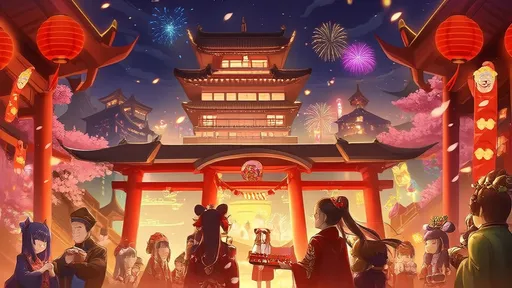
The foundation of a successful seasonal event is, without a doubt, authenticity. Players are remarkably adept at discerning between a shallow cash grab and a genuine celebration crafted with care. It begins with thorough research. Developers must move beyond superficial stereotypes and delve into the heart of a holiday. What are its origins? What emotions does it typically stir—joy, reflection, camaraderie, perhaps a touch of mischief? For a Christmas event, it's not enough to just add snow and a Santa hat. The event could capture the spirit of giving through charity drives or in-game gift exchanges between players. A Lunar New Year celebration might focus on themes of prosperity, family reunion, and warding off bad luck, incorporating traditional foods, lion dances, and the iconic red envelopes containing lucky rewards.
This authenticity must then be translated into compelling content. Limited-time game modes are a fantastic way to shake up the meta and offer a novel experience. Imagine a Halloween event where a popular shooter introduces a zombie survival mode, or a strategy game where the maps are shrouded in fog and haunted by neutral monster parties that players must avoid or defeat for bonuses. These modes provide a refreshing break from the routine, encouraging both new and lapsed players to log in and try something new. The key is to ensure these modes are well-balanced and, most importantly, fun, leaving players with positive memories they'll associate with both the game and the holiday.
Of course, thematic rewards are the lifeblood of any seasonal operation. Cosmetic items like skins, outfits, emotes, and profile icons that reflect the holiday's aesthetics are perennially popular. However, the most sought-after rewards are often those that require a degree of effort or achievement, granting not just an item but a badge of honor. A challenging quest line culminating in a unique weapon skin or a rare mount becomes a story the player can tell. Furthermore, incorporating collaborative goals—where a community works together to unlock rewards for everyone—can powerfully stimulate engagement and foster a wonderful sense of shared accomplishment.
The temporal nature of these events is their secret weapon. By being available for a limited window, usually a week or two, they manufacture a sense of urgency and exclusivity. The fear of missing out, or FOMO, is a powerful psychological driver. Players know that if they don't participate now, they might have to wait a whole year for another chance, if the items return at all. This urgency drives daily logins, extended play sessions, and active participation in all the event's activities. It turns the game into a destination during a time when people are already in a celebratory mood, seamlessly integrating it into their holiday routines.
Beyond the in-game activities, seasonal events present a golden opportunity for community building and cross-promotion. Developers can organize accompanying real-world contests on social media, asking players to share screenshots of their festive characters or create holiday-themed fan art. Live streams featuring developers participating in the event or hosting special tournaments can generate significant buzz. Collaborating with influencers who can showcase the event content to their audiences amplifies reach tremendously. These external efforts create a holistic celebration that extends beyond the game's client, strengthening the bond between the players, the creators, and the title itself.
It is also crucial to adopt a global perspective. The world is a mosaic of cultures, each with its own rich tapestry of holidays. While major Western holidays like Halloween and Christmas have broad recognition, exclusively focusing on them alienates a significant portion of the global player base. A truly world-class game celebrates diversity. Incorporating events for Diwali, Eid, Hanukkah, Oktoberfest, or regional festivals like Japan's Obon or Brazil's Carnival demonstrates cultural respect and inclusivity. It tells players from those cultures, "We see you, and we celebrate with you." This not only expands the game's appeal but also educates and exposes all players to new traditions, enriching the entire community's experience.
Finally, the cycle doesn't end when the holiday decorations come down. The post-event period is critical for analysis and iteration. Developers must meticulously track metrics: How many players participated? What was the peak concurrent user count? Which activities were most popular? Which rewards were most sought after? Gathering direct player feedback through surveys and forum discussions is equally important. Understanding what resonated and what fell flat provides invaluable data for planning next year's event. This commitment to continuous improvement ensures that seasonal operations become a cherished annual tradition, something players eagerly anticipate rather than just another update.
In conclusion, leveraging seasonal and cultural festivities is far more than a tactical maneuver for boosting monthly active users. It is an art form. It's about weaving the game into the fabric of players' lives, creating shared memories around real-world celebrations. When executed with authenticity, creativity, and a genuine respect for culture, these events become landmark moments in a game's lifetime. They build unparalleled goodwill, solidify player loyalty, and transform a good game into a great community that players are proud to be a part of, season after season.
By /Aug 26, 2025
By /Aug 26, 2025
By /Aug 26, 2025
By /Aug 26, 2025

By /Aug 26, 2025
By /Aug 26, 2025

By /Aug 26, 2025

By /Aug 26, 2025

By /Aug 26, 2025

By /Aug 26, 2025

By /Aug 26, 2025
By /Aug 26, 2025
By /Aug 26, 2025
By /Aug 26, 2025

By /Aug 26, 2025
By /Aug 26, 2025
By /Aug 26, 2025
By /Aug 26, 2025
By /Aug 26, 2025
By /Aug 26, 2025
